


Roeselare builds climate resilience through the cooling havens project
Roeselare: a future-oriented regional city
The City of Roeselare is a rapidly growing central city in West Flanders, Belgium with 67.628 inhabitants as of January 1, 2026. The city fulfils a strong central function for the Midwest region and combines living, working, doing business, healthcare, education, culture, sports, and services on an urban scale. Roeselare positions itself as a welcoming, enterprising, and future-oriented city, with particular strengths in food, shopping, healthcare, cycling culture, and a vibrant city centre.
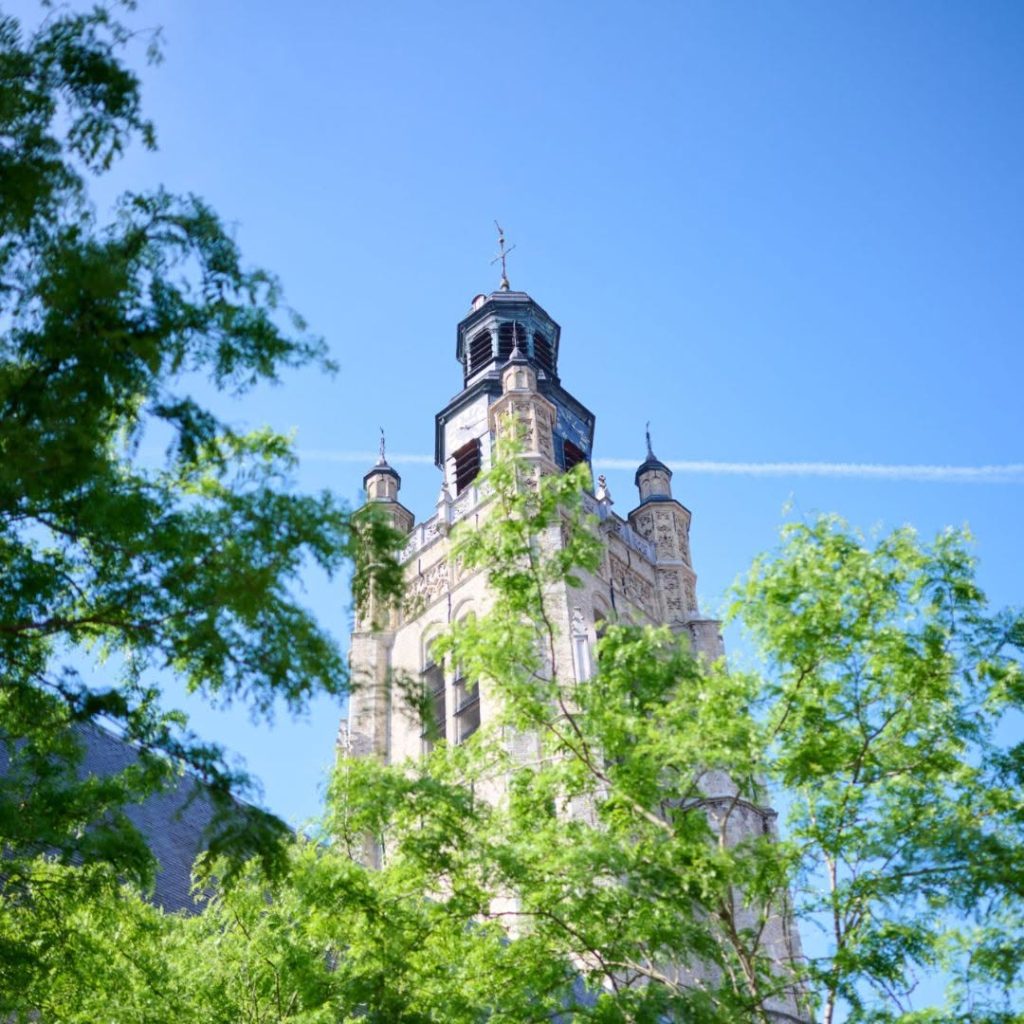
Roeselare is located in the heart of the Food Valley. Surrounding the city is a strong ecosystem of agriculture, horticulture, food companies, research, education, and innovation. In addition, Roeselare plays a regional role through facilities such as AZ Delta, cultural centre De Spil, and KOERS. Museum of Cycling, a wide range of educational offerings, sports infrastructure.
Roeselare aims to be a city where residents, entrepreneurs, associations, visitors, and partners work together to build a livable, caring, inclusive, and future-proof environment.
In doing so, the city operates based on three major principles: tranquility, collaboration, and courage. This means: local governance, listening to neighbourhoods and sub-municipalities, investing in strong public services, giving space to initiative, and simultaneously making choices that prepare the city for the future.
Climate challenges require climate-adaptive solutions
Climate change is having an impact on the territory of Roeselare. As a result, rain showers are becoming more intense, dry periods are longer, and heat in the city is increasing. The city’s climate adaptation plan, that was developed in 2021, is a layered plan that addresses the various challenges regarding water management, greening, and urban heat at the appropriate scale level. To this end, a series of climate-adaptive building blocks is provided that can be implemented in the predominantly paved (public) domain. They focus primarily on water infiltration and greening and outline the mindset for designing more climate-resilient domains, whether public or private.
Learning from Athens through Cooling havens
The Cooling Havens project, set up by the City of Athens and funded under the European Urban Initiative, is aimed at addressing climate challenges such as extreme heat and flooding. In Athens, where more than 80% of the city consists of impermeable surfaces, this project focuses on installing neighborhood-based, water-driven installations. These installations serve not only for cooling and new green and blue infrastructure, but also as educational and social meeting places. This contributes to awareness regarding water management and strengthens the integration of water into urban life.
Being one of the three Transfer Partners in the project, Roeselare values the opportunity to transfer knowledge and insights and apply them to our local climate challenges. This partnership offers valuable opportunities to strengthen our own climate-adaptive ambitions through the climate adaptation plan, by testing the lessons learned in a small-scale pilot.
From Inspiration to local action
Within the frame of the cooling havens project the site Thof van Thenneken in the center of Roeselare was selected to implement a small scale pilot due to a combination of needs and opportunities. The surrounding area is heavily paved, sensitive to heat and water, and does not meet the 3-30-300 standard for urban greenery. The surrounding neighborhood is socially vulnerable, with approximately 100 social housing units, and residents do not have private gardens, making accessible public green space essential. The existing community center, Tof van Tinneke, demonstrates that there is already a social dynamic that can be further strengthened through greening. Moreover, the site lies within the search zone for an urban green belt, offering opportunities for synergy regarding de-paving, water infiltration, additional trees, and social objectives simultaneously.
During the opening site visit in January 2026 we were introduced to the different blue green solutions that are being integrated in Athens and see potential to translate and adapt a number of nature based solutions to our local situation. We were particularly inspired by the integration of bioswales and rain gardens as they do not only take care of water management but also increase biodiversity. We did not only learn about the technical set up of the solutions but also the necessary steps to take before starting the design phase and how to engage the community in the process. We returned to our city with inspiration to move forward with our own project location and are currently exploring how we can integrate these solutions at Thof van Thenneken.