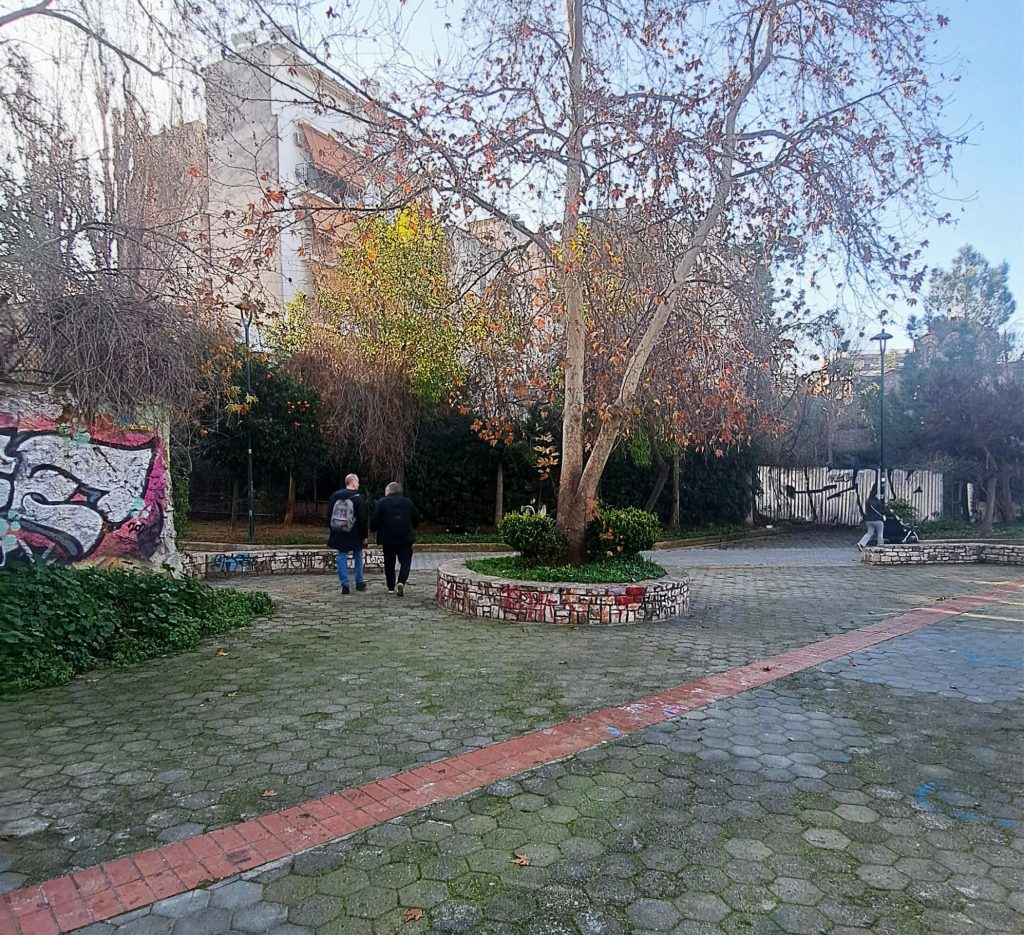


Adapting the Athens experience to Budapest’s needs

Budapest District XVIII is designing cooler and more resilient neighborhoods through Cooling Havens.

Budapest District XVIII, as part of the Cooling Havens European climate-adaptation knowledge transfer, is preparing a housing-estate pilot that gives a local, measurable and community response to urban heatwaves. The essence of the project is not the simple adoption of an Athens solution, but its application tailored to local conditions: on the Havanna housing estate, from an underused public area, a multifunctional, cooler, greener and more community-oriented urban space may be created.

In this process, District XVIII does not take over one-to-one, but adapts. The planned intervention is pilot-like: on a smaller scale, in a controlled way, it would test how nature-based urban development, water management, measurement-based decision-making and residential participation can be connected in a densely populated Budapest housing-estate environment.

READ MORE
Sofia at a Glance

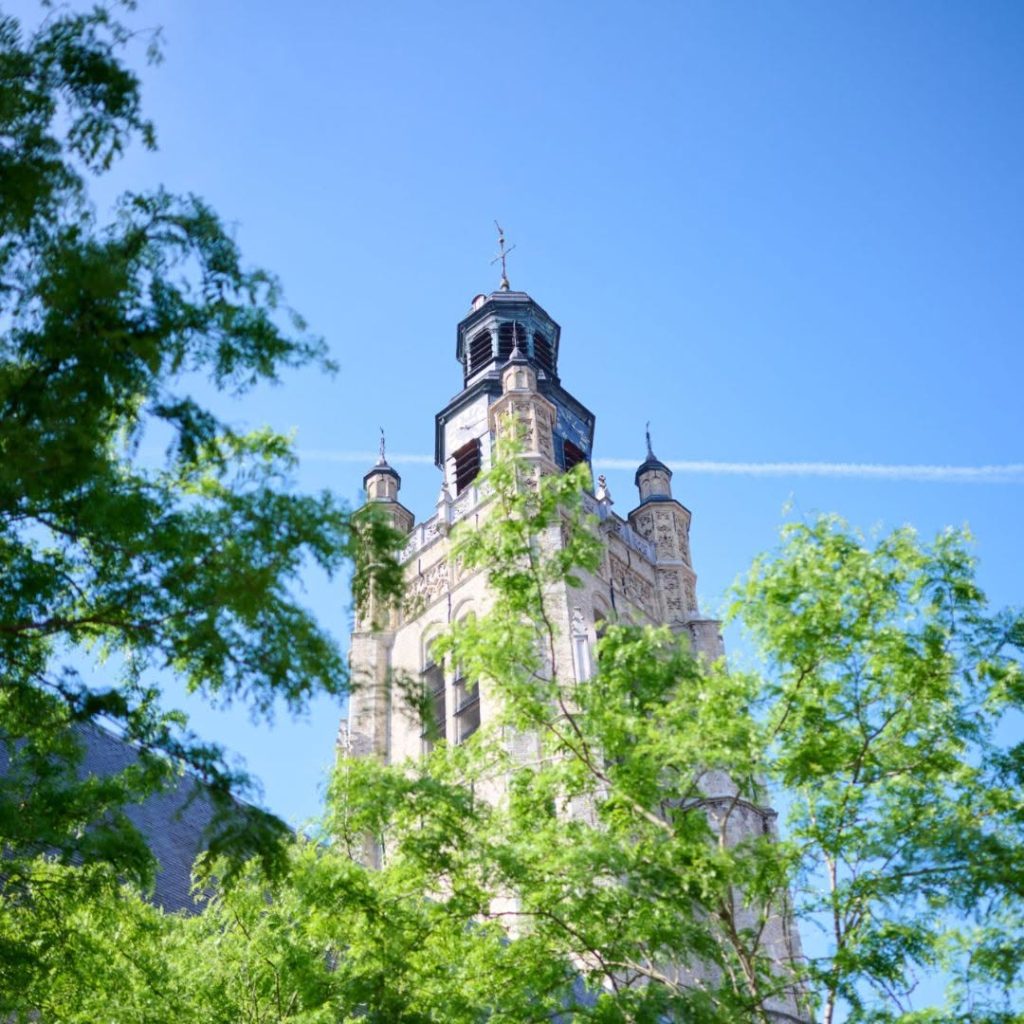
Situated at the foot of Vitosha Mountain, Sofia has been a vital city ever since the Thracian and Roman age and an important European center between the East and West. The historic  legacy, ranging from the Late Antiquity remains in the heart of the city to Neoclassical and Socialist Modernism buildings, is blended with new architecture featuring the 21st century trends

Sofia is the capital city, economic and cultural heart of Bulgaria and a dynamic IT industry and tech startups hub in Southeast Europe. It is the most populous city in the country with  1.2 million inhabitants and is still growing. However, the densification and expansion of the built-up area tends to leave less place for nature within the living environment of citizens and thus the continuing urban growth is posing environmental challenges, exacerbated by the warming trends of climate change.

READ MORE

Discover Athens through water

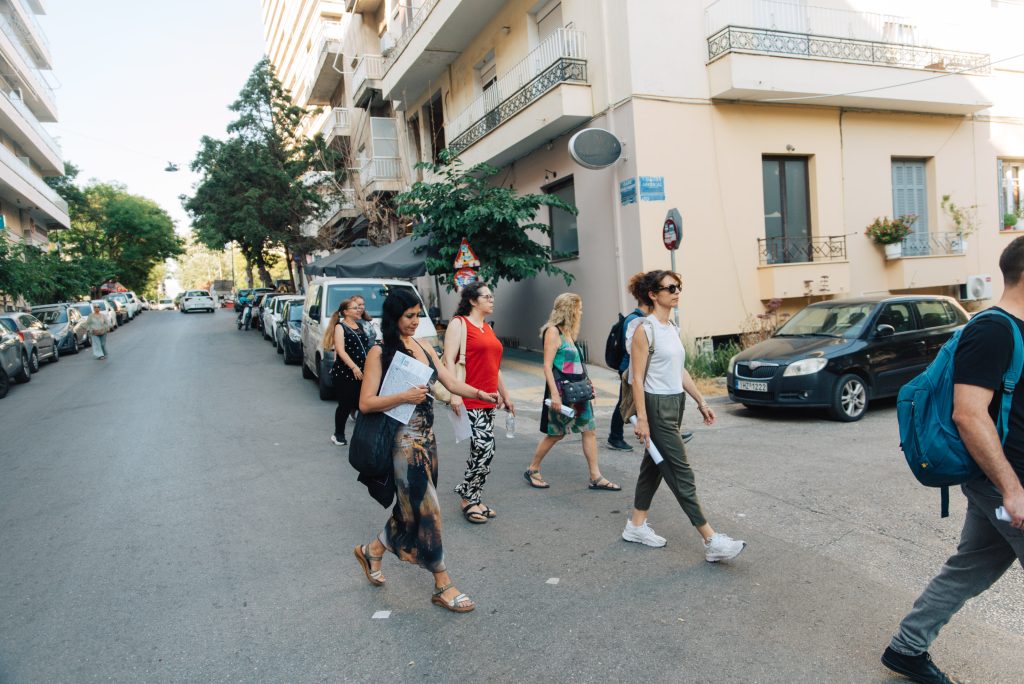
Within the framework of Work Package 6 (WP6 – The Athens Water School), Dipylon Society designs and implements action D 6.2.3 – Workshops & Tours. Under the title “Discover Athens through water”, Dipylon, in collaboration with Impact Hub Athens, conducted four educational city tours during the months of May and June, in the areas of Metaxourgeio, Exarcheia, Ano Patisia, and Ampelokipoi

READ MORE

Roeselare builds climate resilience through the cooling havens project

Roeselare: a future-oriented regional city

The City of Roeselare is a rapidly growing central city in West Flanders, Belgium with 67.628 inhabitants as of January 1, 2026. The city fulfils a strong central function for the Midwest region and combines living, working, doing business, healthcare, education, culture, sports, and services on an urban scale. Roeselare positions itself as a welcoming, enterprising, and future-oriented city, with particular strengths in food, shopping, healthcare, cycling culture, and a vibrant city centre.

READ MORE

Building a European Network of Climate-Resilient Cities

Within the framework of the European Urban Initiative (EUI) project Cooling Havens, the Work Plan for Transfer Partners (WP8) represents one of the project’s most strategic and forward-looking components. While the core interventions of the project are implemented in Athens, this work plan expands the project’s impact across Europe through structured cooperation with the Transfer Partners: the City of Roeselare (Belgium), Budapest’s 18th District (Hungary), and the Municipality of Sofia (Bulgaria).

READ MORE

When Participation Becomes Infrastructure

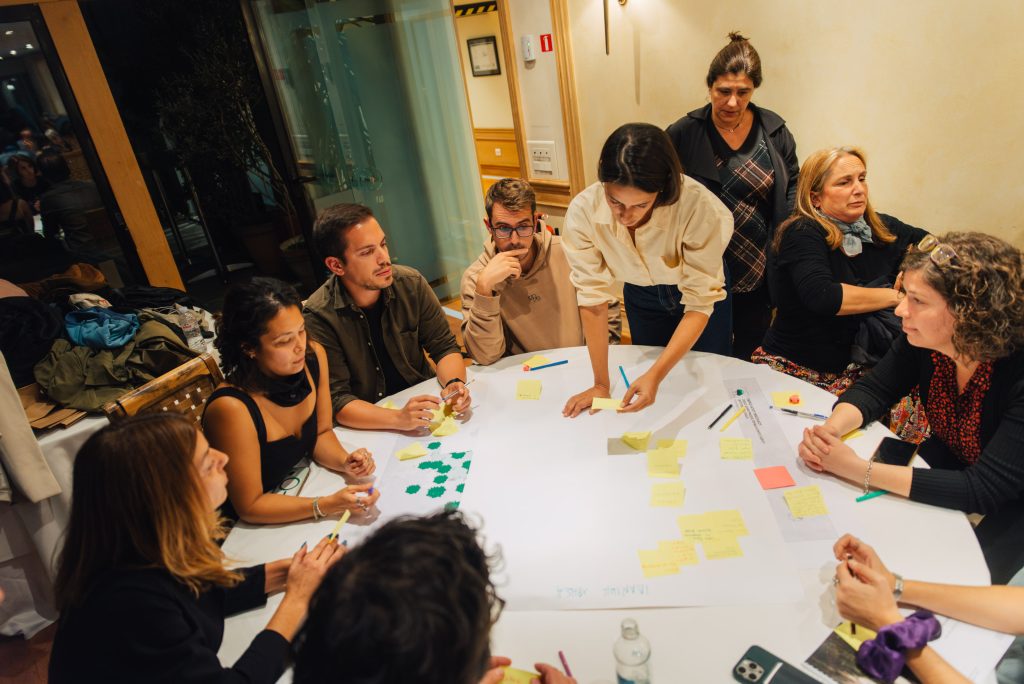
Within the Cooling Havens project, citizen participation is not treated as just another consultation phase; it is considered a core planning infrastructure. In a city increasingly challenged by the urban heat island effect, understanding the everyday experiences of residents is not simply complementary information—it is a critical tool for informed decision-making.

READ MORE

Mid-Term Event Copenhagen (21–22 April 2026)

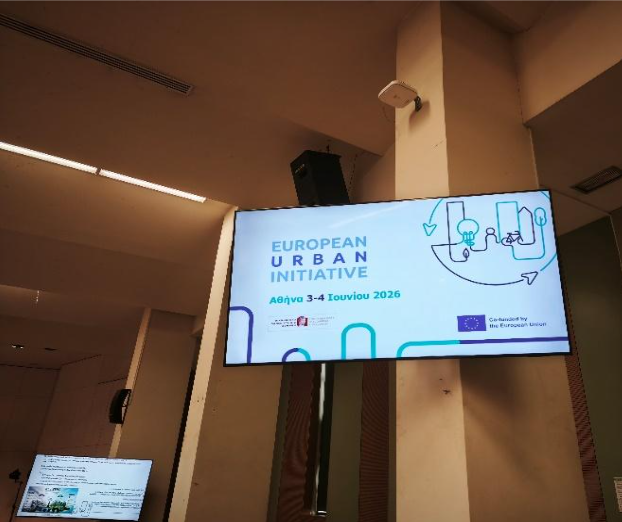
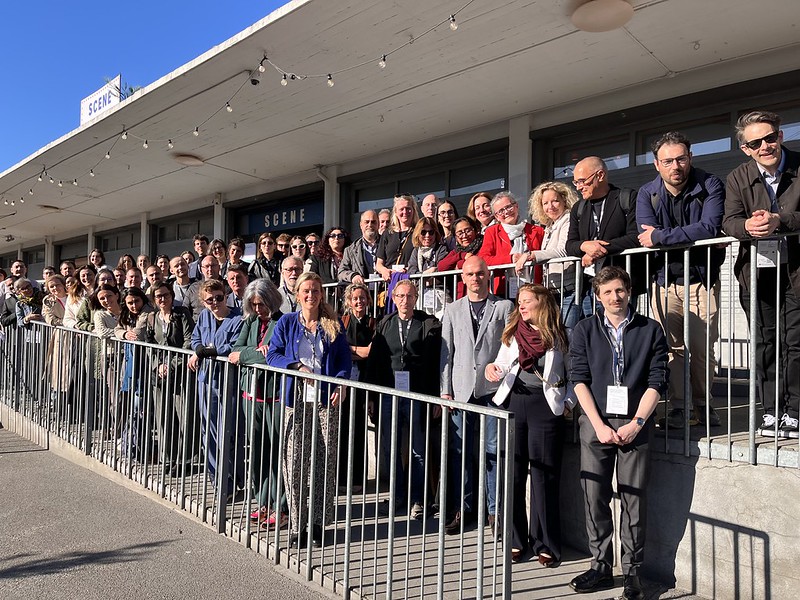
The European Urban Initiative (EUI) Mid-Term Event for Call 2 projects took place in Copenhagen on 21–22 April 2026, with the aim of reviewing implementation progress to date, enabling experience-sharing among participating cities, and strengthening cooperation between partners. The event was hosted at H15 MAD & KULTUR i KØDBYEN, in an area that reflects the contemporary urban regeneration of the Danish capital.

READ MORE

Nature Returns to the City: The Cooling Havens Vision for a Resilient Athens

For centuries, water shaped the landscape and culture of Athens in profound ways. Rivers like the Kifissos and Ilissos flowed openly through the city, and public access to freshwater was guaranteed by a sophisticated network of springs, fountains, and aqueducts. Effective water management was essential not just for resources, but for regulating the local environment. However, today, much of this hydrological network lies hidden beneath layers of concrete, continuing to influence flooding patterns and urban resilience from the shadows. During heavy rains, these once-peaceful streams can turn into powerful torrents, leading to significant urban flooding.

READ MORE